Do Dental Implants Hurt? What You Can Expect During the Process

If you’re considering dental implantsThis link leads to Dental Implants page, you might be wondering, “Do dental implants hurt?” It’s a common question, and at Burgmeier DentistryThis link leads to Home page in Mason City and St. Ansgar, we understand the concern.
Many people worry about whether dental implants are painful, but most patients do not find dental implants painful and report that the discomfort after dental implant surgery is less than they expected.
The good news is that dental implantsThis link leads to Dental Implants page are usually much more comfortable than most people expect. Our experienced team, led by Dr. Kyle BurgmeierThis link leads to Doctors’ page, ensures that your experience is as smooth and pain-free as possible. In this article, we’ll walk you through what you can expect during the procedure and recovery, so you can feel confident about your decision.
What are dental implants, and why do people choose them?
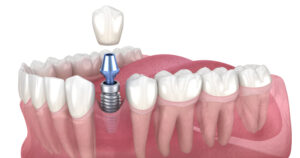
Dental implantsThis link leads to Dental Implants page are titanium posts that act as artificial tooth roots, designed to replace missing teeth. The titanium post is surgically inserted into the jawbone, serving as a stable foundation for the replacement tooth.
If you’ve lost a tooth, whether from injury or decay, a dental implant—also known as a tooth implant—offers a long-lasting and natural solution. Dental implants are a popular procedure for replacing missing natural teeth.
Not only do they restore the functionality of your smile, but they also help maintain your oral health by preventing bone loss.
At Burgmeier DentistryThis link leads to Home page, we offer comprehensive consultations for patients in Mason City and St. Ansgar to explore how a dental treatment plan for dental implants can be tailored to your needs.
Do dental implants hurt during the procedure?
One of the most common questions patients ask is whether dental implantsThis link leads to Dental Implants page hurt during the procedure. The short answer is no—most patients do not feel pain during the surgical procedure because local anesthesia is used to completely numb the area.
While you may feel pressure or vibration during the dental implant procedure, you will not feel sharp pain because of the anesthesia.
Compared to other dental procedures, such as tooth extractions, dental implant surgery is generally well-tolerated, and comfort measures are in place to minimize discomfort. Our goal is to make sure you’re as comfortable as possible throughout the dental implant surgery.
Anesthesia and sedation options for dental implant surgery
Ensuring your comfort during the dental implantThis link leads to Dental Implants page procedure is a top priority, and that’s where anesthesia and sedation come in.
Most dental implant surgeries are performed using local anesthesia, which numbs the implant site so you remain completely numb and pain-free throughout the entire process. For patients with dental anxiety or those undergoing more complex procedures like bone grafting or the placement of multiple implants, oral sedation or IV sedation may be recommended.
These options help you relax and manage pain, making the experience much more comfortable. Experienced dentists will discuss the best anesthesia and sedation choices for your needs, ensuring you feel calm and confident from start to finish.
What should I expect during the dental implant procedure?
The implant tooth placement procedure involves several key steps as part of your overall implant treatment, but the most important part is that you will not experience pain during the process.
Dr. Kyle BurgmeierThis link leads to Doctors’ page and his team use advanced technology, including CBCT scans, to create a 3D view of your jawbone, allowing us to develop a personalized treatment plan tailored to your comfort and needs.
This planning helps minimize discomfort and ensures the implant placement is as smooth as possible. You may feel some pressure during the procedure, but that’s completely normal.
The most painful part of a dental implantThis link leads to Dental Implants page procedure is usually the post-operative soreness and bruising, which peaks in the first 48-72 hours after surgery.
What is the recovery like after dental implant surgery?
While the procedure itself is painless, what about recovery? As the anesthesia wears off, it is common to experience mild discomfort, minor bleeding, and mild swelling as post-surgery symptoms. These are normal parts of the healing process.
The gums heal within 1-2 weeks, and discomfort typically subsides as part of this process. Post-operative discomfort typically lasts a few days to around a week, with pain peaking within 48-72 hours after surgery and gradually subsiding.
Most patients report that the discomfort is mild to moderate and manageable with pain management strategies such as over-the-counter pain relievers like ibuprofen or acetaminophen, cold compresses, and eating soft foods to relieve pain and promote effective implant pain relief. Dissolvable or removable stitches may be present and can be felt during recovery.
Dr. Kyle BurgmeierThis link leads to Doctors’ page will provide you with specific aftercare instructions, including cold compresses to reduce swelling, and advice on maintaining a soft diet during the initial healing phase.
Bone growth and osseointegration: How your implant heals
After your dental implant placement, the healing journey begins with a process called osseointegration. This is when new bone growth occurs around the titanium post, securely anchoring your implant in place and creating a stable foundation for your artificial tooth.
While you may notice mild soreness or swelling at the implant site during the initial healing phase, following your dentist’s instructions for proper care and oral hygiene will support a smooth recovery. Sticking to a soft diet and attending regular checkups will help ensure the bone and implant fuse successfully.
As osseointegration progresses, you’ll be one step closer to a strong, natural-feeling tooth replacement that blends seamlessly with your natural teeth.
How long does it take to recover from dental implants?
The healing time for dental implantsThis link leads to Dental Implants page varies, but most patients experience a smooth recovery. The process involves several stages, starting with the initial surgery where the implant is placed into the jawbone. After surgery, the gums heal within 1-2 weeks, and discomfort typically diminishes as part of the healing process.
Most patients can return to normal activities within a few days post surgery, depending on their comfort level. Over the following months, the bone will grow around the titanium post in a process known as osseointegration. This usually takes between 3 to 6 months.
The final restoration, or placement of the replacement teeth, is the last step in the dental implant process, restoring both function and aesthetics. At Burgmeier DentistryThis link leads to Home page, we closely monitor your progress to ensure the best results.
Does dental implant surgery require bone grafting?
In some cases, patients may require a bone graft to ensure the jawbone is strong enough to support the implant.
During your consultation, Dr. Kyle BurgmeierThis link leads to Doctors’ page will review your medical history and assess your jawbone health to determine if bone grafting or other dental procedures are needed. This is often necessary if there has been bone loss from tooth loss or gum disease.
More complex dental procedures, such as placing multiple implants or performing bone grafts, may result in increased discomfort following the procedure. The good news is that the process is straightforward and can help ensure the long-term success of your implant.
How painful is the recovery after dental implants?
Patients describe their experience with dental implantsThis link leads to Dental Implants page as less painful than they expected, and most do not find dental implants painful during the procedure because of the effeciency of anesthesia. In fact, most patients report that the discomfort from dental implants is less than that of a tooth extraction.
While you may experience mild soreness and discomfort after your dental implant procedure, the pain is usually manageable and can be relieved with over-the-counter pain medication. Dr. Kyle Burgmeier will give you clear guidelines on how to care for the surgical site to minimize pain and swelling.
Severe pain after dental implantThis link leads to Dental Implants page surgery is rare. If you experience severe pain, if pain worsens after the first 72 hours, or if you notice signs of infection such as fever or pus, contact your dentist immediately. If pain persists or worsens, it is crucial to reach out to your dentist or oral surgeon for evaluation.
Can I return to work the day after dental implant surgery?
Most patients are able to return to work the day after their dental implantThis link leads to Dental Implants page surgery, especially if their job does not involve strenuous physical activity.
However, it’s important to follow Dr. Kyle Burgmeier’sThis link leads Doctors’to page aftercare instructions carefully to ensure the healing process goes smoothly. Some people may prefer to take it easy for a day or two to allow their body to rest and recover.
How do I manage dental implant pain?
At Burgmeier DentistryThis link leads to Home page, we take pain management seriously and focus on effective implant pain relief. We offer a range of pain management strategies to help relieve pain and minimize discomfort after your dental implantThis link leads to Dental Implants page procedure. These include local anesthesia during the surgery, over-the-counter pain relievers like ibuprofen or acetaminophen, cold compresses, and rest.
Following these professional guidelines helps promote healing and ensures your experience is as comfortable as possible. If you have any concerns about pain management, Dr. Kyle BurgmeierThis link leads to Doctors’ page will discuss the options that best suit your needs.
What can I eat after getting dental implants?
After your dental implantThis link leads to Dental Implants page procedure, it’s important to stick to a soft diet for the first few days. Soft foods such as yogurt, smoothies, soups, scrambled eggs, and mashed potatoes are recommended because they are gentle on the implant site and support healing.
You’ll need to avoid hard, crunchy, or sticky foods that might irritate the surgical area. Dr. Kyle BurgmeierThis link leads to Doctors’ page will provide specific dietary recommendations to help you heal quickly and comfortably.
Artificial teeth and restoration: Completing your new smile
The final stage of the dental implantThis link leads to Dental Implants page procedure is the placement of your new artificial tooth or restoration. Once the implant has fully integrated with your jawbone, your dentist will custom-design an artificial tooth that matches the color, shape, and size of your natural teeth.
This ensures your tooth replacement looks and feels completely natural. The artificial tooth is securely attached to the implant, restoring both function and appearance. With proper care and good oral health habits, dental implants can last for many years, allowing you to eat, speak, and smile with confidence.
Choosing dental implants means you can replace missing teeth with a solution that supports your overall oral health and gives you a beautiful, lasting smile.
What is the success rate of dental implants?
Dental implantsThis link leads to Dental Implants page have a high success rate, with most studies showing success rates of more than 95%. The success of your dental implant depends on various factors, including the health of your jawbone and gums, as well as your commitment to proper oral hygiene.
At Burgmeier DentistryThis link leads to Home page, we closely monitor your progress throughout the process to ensure a successful outcome.
Do dental implants look and feel like natural teeth?
Yes! Dental implantsThis link leads to Dental Implants page are designed to look and feel just like your natural teeth. The titanium post acts as an artificial tooth root, providing a strong foundation for your new tooth. Through the osseointegration process, the implant fuses with the jawbone, creating stability similar to natural roots. The custom-made crown or restoration is crafted to match the color and shape of your existing teeth.
Once the healing process is complete, you’ll be able to smile, eat, and speak with confidence, just like before you lost your tooth.
Are dental implants the best solution for missing teeth?
Dental implantsThis link leads to Dental Implants page are one of the best solutions for missing teeth. They not only restore the appearance of your smile but also improve your oral health by preventing bone loss and maintaining the integrity of your remaining teeth.
Dr. Kyle BurgmeierThis link leads to Doctors’ page and his team at Burgmeier Dentistry offer personalized implant treatment solutions for patients in Mason City and St. Ansgar, ensuring that you receive the best care for your needs.
Ready for a new smile?
While the idea of getting dental implantsThis link leads to Dental Implants page might sound intimidating, it’s often much more comfortable than people expect.
At Burgmeier Dentistry in Mason City and St. Ansgar, we make sure you feel at ease throughout the entire process. Whether you’re experiencing discomfort or you’re just curious about the procedure, we’re here to answer your questions and guide you through each step.
Dental implantsThis link leads to Dental Implants page can be a life-changing solution for missing teeth, offering both functional and aesthetic benefits.
Have additional questions regarding dental implants? Feel free to share them in the comments below. We’d love to help you learn more and guide you through your dental implant journey!
Key Takeaways:
- Dental implant surgery is typically painless due to the use of local anesthesia, with only mild discomfort reported during recovery.
- Recovery times vary, but most patients report mild soreness lasting a few days, with complete healing in several months.
- Bone grafting may be necessary in some cases to support the implant, but this is a straightforward process.
- After successful healing and osseointegration, dental implants provide a natural-looking, permanent solution to missing teeth.